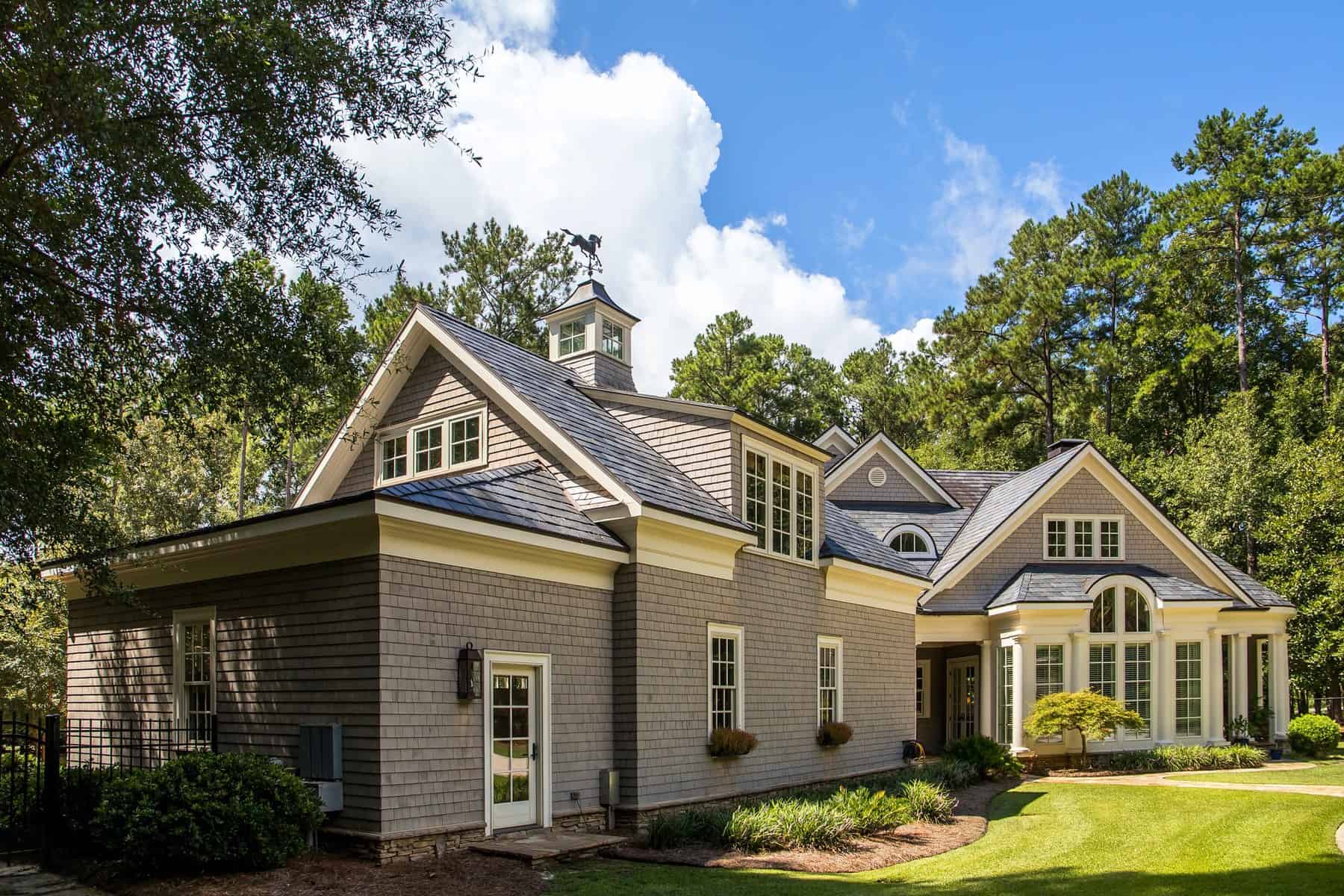
Choosing between flat vs satin exterior paint may seem like a small call, but it changes how your siding looks and how it holds up in Conway, SC. The same color can look soft on one house and harsh on another. The reason is exterior paint sheen, which is the amount of shine left on the wall once the paint dries.
I’m Dustin Carroll, and I run Carroll Custom Coatings. Sheen is often the last choice on a paint list, so it gets the least attention. That is a problem, because sheen affects how a wall looks, how it cleans, and when it needs a repaint. Below, I compare flat, satin, and semi-gloss and show where each one fits. I also explain how we handle sheen during exterior house painting projects.

Why Exterior Paint Sheen Matters More Than It Seems
Sheen sounds like a style choice. It is also a performance choice. Paint with more shine reflects more light and sheds more dirt. But paint with less shine absorbs light and hides bumps.
Many homeowners want to feel sure before they spend money on a repaint. That makes sense. A mismatched sheen can leave siding looking uneven or needing more washing. Nobody wants to stare at a finished wall and wonder if another finish would have worked better.
I believe a paint job should not feel like a guessing game. You should know what each finish does before anyone opens a can.
In its overview of paint finishes, Sherwin-Williams describes flat paint as non-reflective and good at hiding imperfections. It also says flat paint is prone to scuffs and stains. The same overview calls satin easy to wash and lists it for exterior surfaces. That gap is the heart of the flat vs satin question.
Flat vs Satin vs Semi-Gloss: A Side by Side Look
Here is how the three most common sheens compare on a typical house.
| Sheen | Look | Where it works | Watch for |
|---|---|---|---|
| Flat | No shine, soft and muted | Stucco and rough surfaces | Shows scuffs and stains faster |
| Satin | Soft glow, low shine | Main siding walls | Can show waves on badly worn boards |
| Semi-gloss | Clear shine, crisp edges | Trim, shutters, and doors | Highlights dents, brush marks, and rough spots |
In the satin vs semi gloss exterior paint debate, size decides. Large walls do better with less shine. But small, high-touch parts do better with more. Semi-gloss across a full wall of wavy siding can look harsh. Flat across the same wall can look dull and pick up dirt.

What Sheen for Exterior Paint Fits Each Surface?
Every house mixes surfaces. I match the sheen to each part instead of picking one finish for the whole house. Our full-service exterior house painting covers siding, trim, shutters, doors, and garages, so this step comes up on every job.
| Surface | Typical sheen | Why |
|---|---|---|
| Siding body | Satin | Hides small flaws and washes easily |
| Trim and shutters | Semi-gloss | Wipes clean and frames the house |
| Front and garage doors | Semi-gloss, or satin if dinged | Handles touch, but shows dents |
| Stucco | Flat | Softens the texture |
| Wood siding after repairs | Satin | Repairs come first, then sheen |
When you weigh flat vs satin exterior paint for the main walls, ask what the boards look like up close. Smooth, sound boards handle satin well. Rough or patched areas may call for a lower shine. Also, sheen names are not standardized, so satin from one brand can look different from another.
When Flat Still Makes Sense
In the flat vs satin exterior paint choice, flat is not a wrong answer. It is a choice with clear tradeoffs. It fits in these cases:
Vinyl siding needs a color check too. Sherwin-Williams says its VinylSafe colors offer 100 options, including a limited set of darker shades made to resist warping on sound vinyl. So sheen is only half the decision.
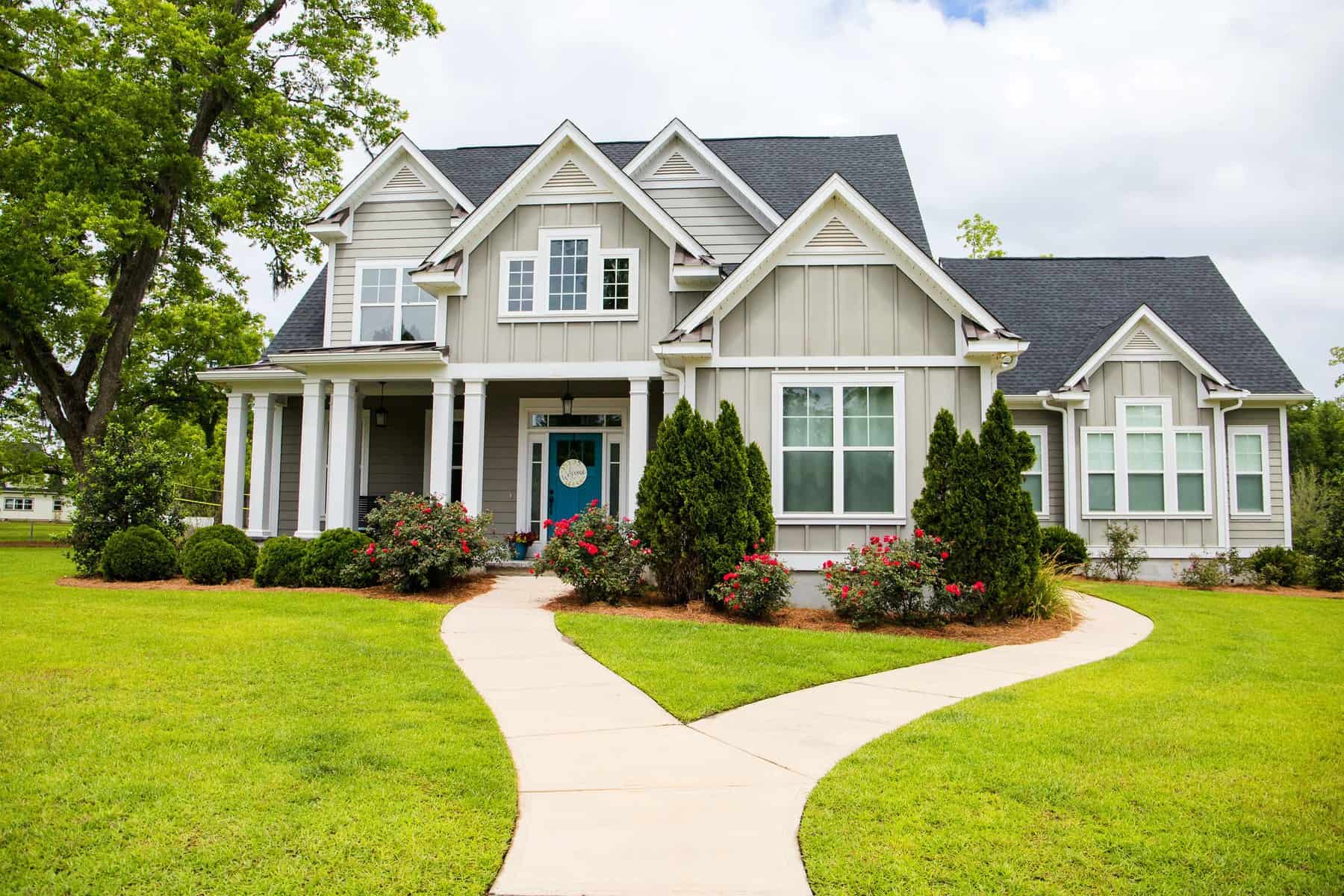
How Conway Weather Shapes Your Exterior Paint Sheen
Siding here takes sun, heat, and rain. The National Weather Service reported heat index readings as high as 114 degrees in Myrtle Beach during 2025. So hot, wet weather puts stress on a paint film.
I tell homeowners that a professional exterior paint job typically lasts 7 to 10 years. Sheen supports that range, but prep matters more. We power wash away dirt and mildew. Then we scrape, sand, and caulk. Peeling often points to moisture behind the paint, so repairs and caulking come before color.
The same weather hits homes across Conway, Myrtle Beach, and North Myrtle Beach, so this advice applies in all three areas.
Our Three Step Plan for Choosing Sheen
Here is how I keep the choice simple for the homeowners we work with:
Our team brings 47 years of combined experience to these calls.
What Goes Wrong When Sheen and Surface Do Not Match
A mismatch does not always show up on day one, but it can lead to a few common problems:
Asking about sheen early is one of the easiest ways to avoid those outcomes.
Three Questions to Ask Any Painter About Sheen
Whoever you hire, ask about sheen before work starts. These questions help:
A clear answer shows the painter has planned the job surface by surface.
What a Well Matched Exterior Paint Sheen Looks Like
A well matched finish looks even from the street. Satin siding shows a soft, steady glow. Semi-gloss trim and doors give the house clean edges. Routine washing stays simple, because Sherwin-Williams describes satin as easy to wash.
That result comes from three things: good prep, a sheen picked surface by surface, and paint made for exterior use. If you get those right, your house has a real chance of reaching the 7 to 10 year range.