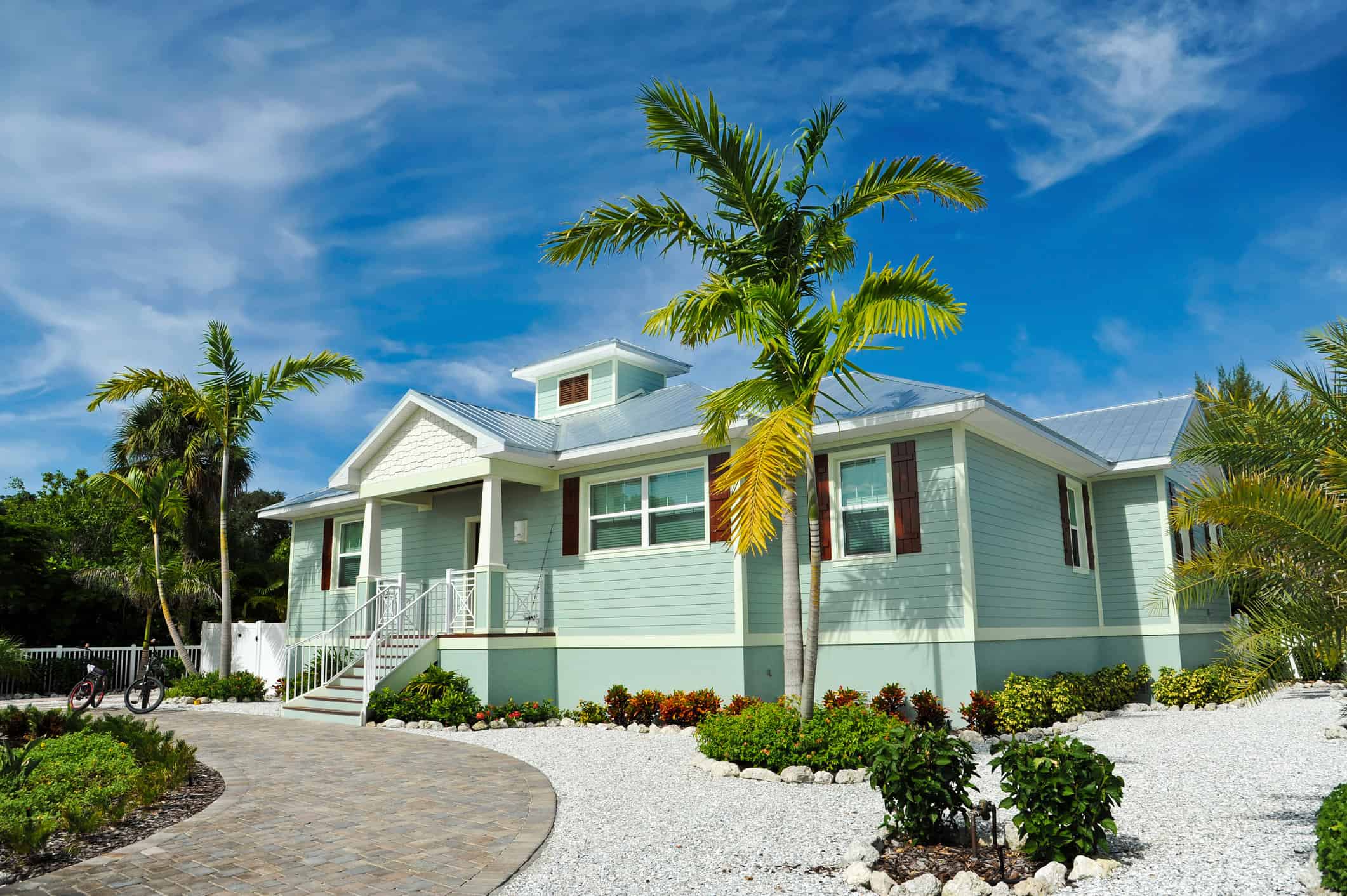
Living in Longs, SC, puts you close to the beach, the salt air, and some of the most punishing conditions for exterior paint anywhere in the country. If you recently bought your first home here, you may not realize what the coastal climate does to paint until you see it peeling off your siding years earlier than expected. Exterior house painting in Longs, SC should protect your home for a decade or more—but only if you understand what you’re up against. The humidity, salt exposure, intense sun, and hurricane season create a combination that destroys paint jobs built for milder environments.
This guide explains exactly how to make exterior paint last longer so your home stays protected and you avoid the frustration of repainting too soon.
Key Takeaways
Coastal humidity and salt air are the top causes of early paint failure near Myrtle Beach.
Mildew-resistant paint is non-negotiable in Horry County’s climate.
Surface preparation matters more than brand name when the moisture is constant.
Hurricane season demands extra attention to sealing and caulking.
Year-round maintenance prevents small problems from becoming expensive repairs.
Why Coastal South Carolina Is So Tough on Paint
Plenty of homeowners across the country deal with weather challenges. But the Longs area combines multiple threats that attack paint from every angle.
Humidity is relentless here. From spring through fall, moisture constantly hangs in the air. That humidity doesn’t just make you uncomfortable—it keeps your home’s exterior damp, preventing paint from fully curing and creating ideal conditions for mildew growth.
Here’s what else works against your exterior paint in this region:
Salt air. Even though Longs sits inland from the beach, salt particles travel miles on coastal breezes and settle on your siding, accelerating corrosion and paint breakdown.
Intense UV exposure. South Carolina’s latitude means strong, direct sunlight for much of the year, causing fading and chalking
Heavy rain and storms. Frequent afternoon thunderstorms and hurricane season drive water into every gap and imperfection
Temperature swings. While winters are mild, the swing from hot summer days to cooler nights stresses paint films.
Mold and mildew. The warm, moist climate is a breeding ground for biological growth that stains and degrades paint.
Understanding these local threats is the first step toward making exterior paint last longer. The second step is building a defense against them.
Selecting Paint That Fights Back Against Coastal Conditions
Not all exterior paint can handle what Longs throws at it. Products designed for dry climates or cold regions will fail here within a few years.
What Your Paint Must Have
100% Acrylic Latex Formula
Acrylic latex paint handles humidity better than oil-based alternatives. It allows moisture vapor to escape from your siding while still protecting against liquid water intrusion. In a climate where surfaces rarely dry completely, this breathability prevents blistering and peeling.
Built-In Mildew Resistance
This isn’t optional in Horry County. Quality exterior paints include fungicides and mildewcides that prevent mold and mildew from colonizing the paint film. Without this protection, you’ll see ugly black and green streaks within a year or two—especially on north-facing walls and shaded areas.
UV-Resistant Pigments
The South Carolina sun fades paint fast. Premium paints use fade-resistant pigments and UV blockers that maintain color integrity for years longer than standard formulas. This matters especially if you choose darker colors, which absorb more heat and fade more visibly.
Excellent Adhesion Properties
When humidity prevents surfaces from ever fully drying, paint needs exceptional grip to stay attached. Look for paints specifically marketed for high-humidity or coastal environments. These formulations bond more aggressively to surfaces that aren’t perfectly dry.
A professional house painter familiar with the Grand Strand area will already know which products perform best here. When interviewing contractors for exterior house painting, ask what they recommend for coastal conditions and why. Their answer reveals whether they understand the local challenges.
Preparation That Keeps Moisture Out
In Longs, preparation isn’t just about making paint sticks. It’s about sealing your home against constant moisture assault.
Skipping steps here guarantees early failure. The humidity will find every weakness and exploit it.
The Preparation Process for Coastal Homes
Pressure Washing with Mildew Treatment
Every exterior surface in this climate collects mildew, algae, dirt, and salt residue. Pressure washing removes visible contamination, but you also need a mildew-killing solution to eliminate spores you can’t see. Painting over invisible mildew means it grows back through your fresh paint within months.
Complete Removal of Damaged Paint
Any paint that’s bubbling, peeling, or lifting must come off entirely. In high-humidity environments, painting over compromised areas traps moisture beneath the paint. That moisture will push your new paint off the surface as it tries to escape.
Wood Treatment and Repair
Moisture damage in wood siding is common near the coast. Soft spots, rot, and fungal damage must be repaired before painting. Sound wood benefits from a preservative treatment that prevents moisture absorption and fungal growth. This extra step extends the life of both the wood and the paint covering it.
Aggressive Caulking and Sealing
Every gap around windows, doors, trim, and siding joints needs fresh, flexible caulk. In a region with driving rain and hurricane-force winds, water finds its way into any opening. Once moisture gets behind your siding, it causes damage that no surface paint can prevent.
Priming for Maximum Adhesion
Bare wood, repairs, and stained areas require primers. In coastal conditions, use a primer specifically designed for high-humidity applications. These products bond even when surfaces contain more moisture than would be acceptable in drier climates.
When you get quotes for exterior house painting in Longs, SC, pay close attention to how contractors describe their preparation process. A thorough exterior painter will emphasize prep work as much as the paint itself. Shortcuts here lead directly to callbacks and failures.
Timing Your Paint Project Around the Weather
Longs has a longer painting season than northern states, but timing still matters. The wrong conditions mean paint that never cures properly.
Best and Worst Times to Paint
| Season |
Conditions |
Recommendation |
| Spring (March-May) |
Warming temps, moderate humidity, lower rain chance |
Good window |
| Early Summer (June) |
Hot, humid, afternoon storms increasing |
Workable with early starts |
| Mid-Summer (July-August) |
Peak humidity, daily storms, extreme heat |
Challenging |
| Fall (September-November) |
Hurricane season early, then ideal conditions |
Late fall is excellent |
| Winter (December-February) |
Mild temps, lower humidity, less rain |
Often the best time |
Paint cures best when humidity is below 50%, and temperatures are between 50°F and 85°F. In Longs, that sweet spot often arrives in late fall and winter—the opposite of what most people expect.
A professional house painter will time your project around weather patterns, not just their schedule. They’ll monitor humidity levels and avoid painting right before rain. Rushing an application in poor conditions creates problems that surface months later.
Maintaining Your Paint Against Coastal Wear
Your paint job is constantly under attack in this climate. Without regular maintenance, even the best application will deteriorate faster than it should.
Here’s a maintenance routine designed for coastal South Carolina:
Wash Your Exterior Twice a Year
Salt, pollen, and mildew accumulate constantly. Rinse your home with a garden hose in spring and fall. For stubborn mildew, use a diluted bleach solution or commercial mildew cleaner. Regular washing prevents buildup that degrades paint.
Inspect After Every Major Storm
Hurricane season and severe thunderstorms can drive water into places it doesn’t normally reach. After significant weather events, walk around your home and check for new damage, lifted edges, or signs of moisture intrusion.
Address Mildew Immediately
When you spot mildew, clean it promptly. Mildew doesn’t just sit on top of paint—it sends roots into the film and breaks it down. Early removal prevents permanent staining and paint damage.
Touch Up Chips and Cracks Fast
Small damage can quickly escalate into major damage in humid conditions. Keep leftover paint stored properly and repair chips, cracks, and peeling spots before moisture gets underneath.
Check Caulking Every Year
Heat and UV exposure break down caulk faster here than in milder climates. Inspect all sealed joints annually and reapply where you see cracking, shrinking, or separation.
Monitor Problem Areas
North-facing walls, shaded areas, and areas near landscaping are the first to develop mildew. Ground-level siding near sprinklers or splash zones fails faster. Give these areas extra attention during inspections.
This routine takes a few hours per year. Neglecting it costs thousands in premature repainting.
What Lasting Paint Means for Your Home
When you learn how to make exterior paint last longer and actually apply what you’ve learned, the benefits go beyond appearance.
You protect your investment. Your home is likely the biggest purchase you’ve ever made. Paint that lasts keeps moisture out of your walls, prevents wood rot, and maintains your home’s structural integrity.
You stop the cycle of frustration. No more watching paint peel and wondering what went wrong. No more embarrassment when neighbors’ homes look better than yours. No more dreading another expensive repaint.
You get to enjoy coastal living. You moved to Longs for a reason. Once your home’s exterior is taken care of, you can focus on the beach, the weather, and the lifestyle—not maintenance headaches.
Get Paint Protection Built for the Coast
Your home in Longs faces challenges that most paint jobs aren’t built to handle. But the right approach changes everything.
When you combine coastal-grade products, thorough preparation, smart timing, and consistent maintenance, your exterior house painting in Longs, SC, will last far longer than average. You’ll spend less money over time and enjoy more peace of mind every day.
If you’re ready to work with an exterior painter who understands what coastal homes need, Carroll Custom Coatings can help. Call 843-428-8322 for a free estimate and find out how to make exterior paint last longer—even in South Carolina’s toughest conditions.