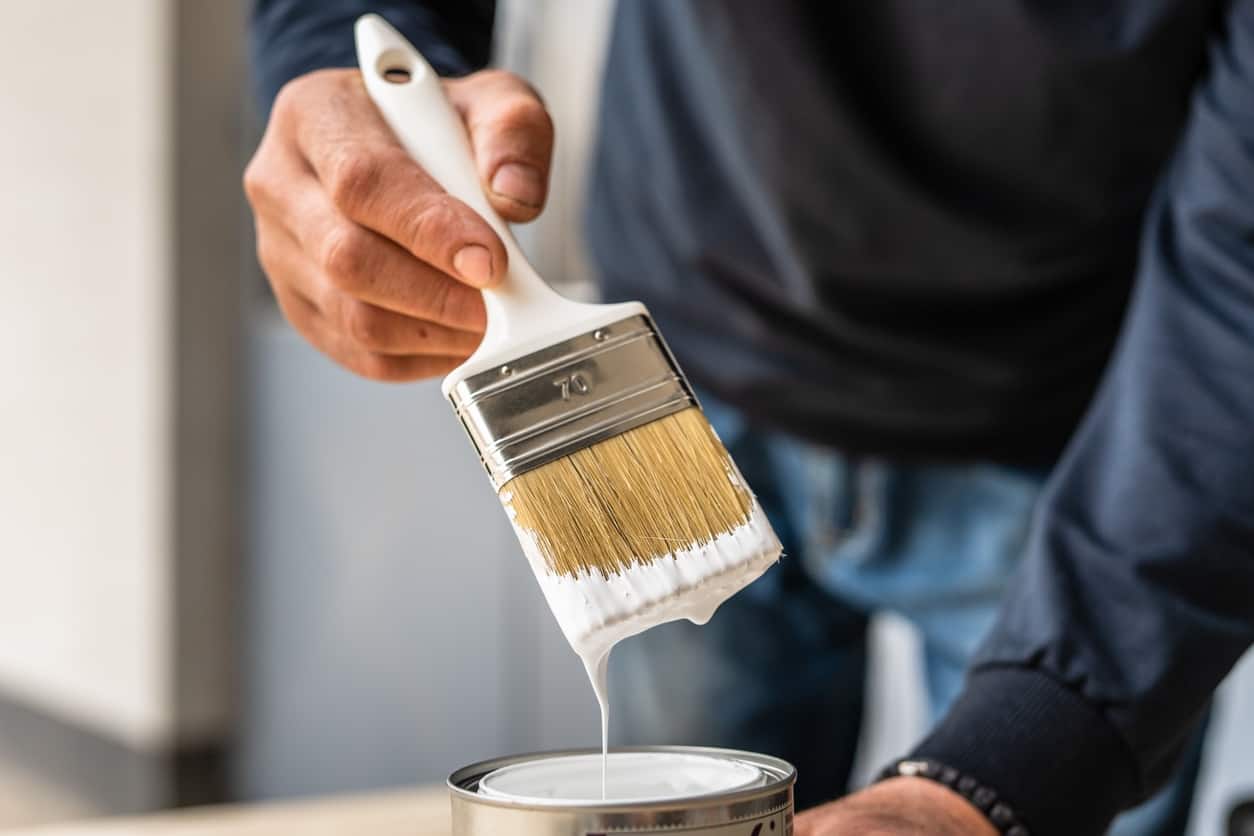
Paint primer for walls is the step that most homeowners skip. And in Conway, SC, skipping it shows up on houses all over town. You can see it. Paint worn out before its time. Bubbles near the trim. Color that faded long before it should have. So why use primer before painting? Because without it, even strong paint will not hold.
Most homeowners focus on color. That makes sense. But color is only as good as what sits beneath it. Primer ties the paint to the wall. Skip it, and you are starting on a weak base. Get it right. The job has a real chance at lasting for years.

Most Paint Problems Start Before the First Coat Goes On
Think about a paint job that did not hold up. The color went patchy. The finish started peeling near the trim or windows. The walls just looked dull after a few months in.
That kind of result is hard to take. And most homeowners blame the paint.
But paint is not often the problem. What is under the paint is where things go wrong. Homes in Conway, SC, deal with heat and moisture most of the year. Drywall is porous. Wood moves with the weather. Old paint turns chalky or slick over time.
When paint is applied to an unprepared surface, it has no grip. It just sits on top. So it will not last. It sits on top rather than bonding in. So it will not stay put for long.
Paint primer for walls is what changes that. It seals the surface. It gives the topcoat a real surface to bond to. Without it, you are painting over a problem you cannot yet see.
Why Use Primer Before Painting: The Honest Answer
Primer is a bonding agent. That is the short version. It goes on before the topcoat. It does the work that paint alone cannot do.
Here is what paint primer for walls takes care of:
So when someone asks why use primer before painting, the answer is simple. The primer sets how long the topcoat lasts. Primer does not just help the topcoat look better. It sets how long the topcoat lasts.
What Skipping Primer Actually Costs You
Interior house painting without primer is not a small shortcut. It creates problems that show up quickly. And they cost more to fix than the original job did.
Here is what tends to happen. Paint soaks in wrong near patched spots. Those areas look darker or shinier than the wall around them. In humid rooms like baths and kitchens, the paint starts to peel. That can happen within months. In Conway, SC, heat and moisture stay high much of the year. That speeds the process up even more.
Fixing those problems means stripping the wall, priming again, and painting again. That takes more time. And it costs more than doing it right the first time.

Knowing why use primer before painting is what keeps you from learning that lesson. Ask it early. It is worth it. A good interior painter will tell you this upfront. Primer is not added to a job. It is built in. That is what a job done right looks like.
If you are hiring someone to paint the interior of your house, ask about primers first. How they answer tells you a lot. It says something real. It shows you how the rest of the job will go.
Paint Primer for Walls: When You Always Need It
Not all paint projects need the same setup. But some cases always call for primer. Skip it in these spots, and the job will fail fast.
Watch for these:
Knowing these cases sets a good paint job apart. It is the line between work that holds and work that wears out fast.
What a Professional House Painter Does That Most DIYers Miss
A professional house painter inspects the surface before any paint is applied. They check for old stains, water damage, and texture. They look at how the wall has been treated before. That check shapes which primer gets used.
And primer choice matters more than most people know.
Oil-based primers work well on bare wood and deep stains. They dry hard. They seal tight. Latex primers are water-based. They dry fast. They suit most interior house painting work on drywall and painted walls. Shellac-based primers are the strongest option. They block hard stains and seal in odors from smoke or pets.
Using the wrong primer for the surface is nearly as bad as skipping it. That is why interior house painting done by a professional house painter tends to last far longer. Prep is why. It is always the reason. Work that cuts corners on prep does not hold up the same way.
An interior painter who takes primer the right way is telling you a lot about how they run the whole job. That kind of care at the start always shows up in the finish.
What Happens When You Skip This Step
Skipping paint primer for walls leads to outcomes that are common and avoidable:
Asking why use primer before painting before work starts is one of the best moves a homeowner can make. It is the question that changes what kind of result you end up with.
What a Well-Prepped Paint Job Looks Like Over Time
When interior house painting is done with proper prep, the walls take care of themselves. The color holds from wall to wall. The finish stays clean near the trim and windows. And the paint holds up through the summers in Conway, SC. Heat and moisture do not pull it off.
That outcome starts with a wall primer. Not with color choice.
A professional house painter knows that. It is part of how they think about each job. An interior painter who applies primer to every job provides a strong base for the work. One that holds. One that holds.
If a project is coming up, ask why it’s necessary to use primer before painting. Ask it early. Ask before anyone picks up a brush. The answer you get will tell you a lot about the job you are about to have done.