When it comes to constructing or renovating commercial spaces, drywall finishing plays a crucial role in creating a sleek, professional look. Proper drywall finishing ensures smooth walls and ceilings, setting the stage for a flawless paint job. However, many property owners and contractors often wonder about the painting process—specifically, the difficulty level involved in painting drywall and how to achieve the best results.
In this blog, we’ll explore the intricacies of commercial drywall finishing, explain the painting difficulty level, and provide practical tips on how to paint drywall effectively. Whether you’re a DIY enthusiast or hiring professionals, understanding these aspects will help you achieve a high-quality finish that enhances your commercial space’s aesthetic and durability.
Understanding Commercial Drywall Finishing
Drywall, or gypsum board, is the standard material used for interior walls and ceilings in commercial buildings. The finishing process involves several steps designed to create a smooth, seamless surface ready for painting or other wall treatments:
- Installing drywall sheets: Securing drywall panels to wall studs or ceiling joists.
- Applying joint compound (mud): Covering seams, screw or nail holes, and imperfections.
- Taping: Embedding drywall tape over joints to prevent cracking.
- Layering: Applying multiple coats of joint compound, sanding between coats for smoothness.
- Final sanding: Achieving a flat, even surface free of ridges or blemishes.
The goal is to produce a surface that is as smooth as glass—free of visible joints, ridges, or imperfections—so that the final coat of paint looks flawless.
The Painting Difficulty Level of Commercial Drywall
The difficulty of painting drywall can vary depending on the finish quality, the type of paint used, and the specific features of the space. Generally, drywall finishing can be categorized into different levels:
- Level 0: No finishing; just hanging drywall.
- Level 1: Taping of joints, but no finishing.
- Level 2: Taping plus one coat of joint compound—used in areas not visible or where texture is desired.
- Level 3: Taping plus two coats of joint compound, with sanding—common in areas to be painted.
- Level 4: Taping plus three coats, with sanding—standard for smooth painted walls, especially in visible areas.
- Level 5: High-quality finish with a thin skim coat over the entire surface—used in areas with high gloss or critical lighting.
For most commercial spaces, Level 4 drywall finishing is the standard, providing a smooth surface suitable for painting. This level offers a moderate difficulty level for painting, requiring attention to detail in surface preparation.
Why does drywall finishing impact painting difficulty?
A well-finished drywall surface reduces the need for extensive sanding, priming, or touch-ups. Conversely, poorly finished drywall with visible seams, bumps, or ridges complicates painting, often leading to uneven coverage, visible imperfections, and a less professional appearance.
In summary, the painting difficulty level for commercial drywall at Level 4 is moderate—it’s manageable with proper techniques and tools but may be challenging for beginners without experience.
How to Paint Drywall: Step-by-Step Guide
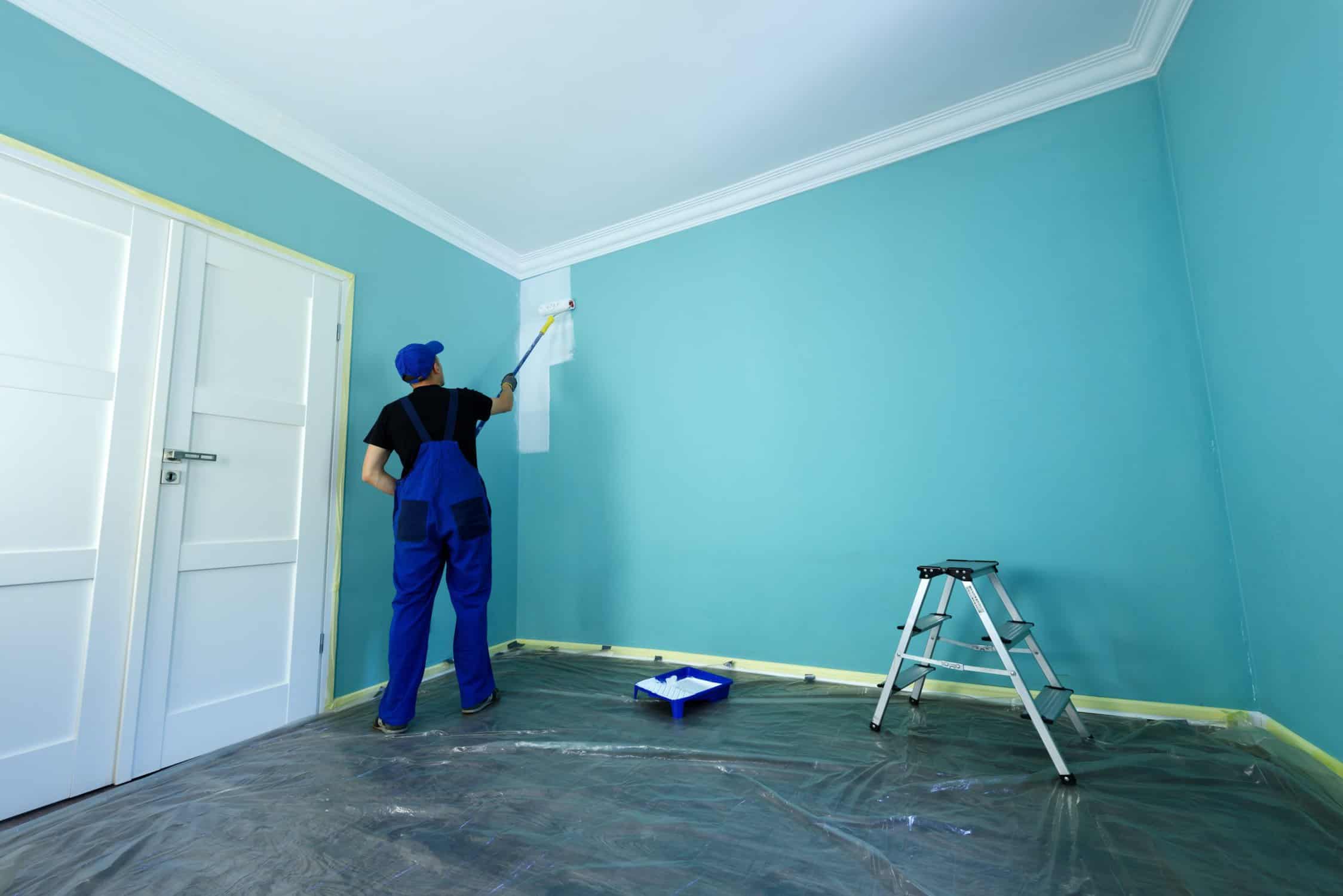
If you’re planning to paint drywall yourself, understanding the process and techniques is essential for achieving professional results. Here’s a step-by-step guide:
1. Surface Preparation
- Inspect the drywall: Look for any imperfections, dents, or missed spots.
- Sand the surface: Lightly sand the drywall with fine-grit sandpaper (around 220 grit) to smooth out ridges, seams, and imperfections.
- Remove dust and debris: Use a vacuum or damp cloth to clean the surface thoroughly, ensuring no dust remains.
2. Priming
- Apply a drywall primer: Primer seals the surface, improves paint adhesion, and prevents stains from bleeding through.
- Choose the right primer: Use a high-quality, stain-blocking primer suitable for drywall.
- Use a roller or sprayer: For large areas, a roller provides even coverage; brushes can be used for edges and corners.
3. Painting

out of date wall texture
- Select the right paint: Use high-quality interior latex or acrylic paint for durability and easy cleanup.
- Use appropriate tools: A roller for large surfaces and brushes for edges and corners.
- Apply in even coats: Usually, two coats are needed for a consistent, smooth finish.
- Allow proper drying time: Follow manufacturer instructions for drying and curing times between coats.
4. Final Touches
- Inspect your work: Look for missed spots or uneven coverage.
- Touch up as needed: Use a small brush for corrections.
- Clean tools: Properly clean brushes and rollers for future use.
Tips to Make Painting Drywall Easier and More Effective
- Use quality tools and materials: High-grade brushes, rollers, and paint produce better results.
- Maintain consistent pressure: When rolling, keep even pressure to avoid streaks.
- Avoid overloading tools: Don’t dip brushes or rollers with excess paint.
- Work in good lighting: Proper lighting helps identify imperfections or missed spots.
- Consider professional help: For large or high-visibility areas, hiring experienced painters can save time and ensure a superior finish.
Common Challenges and How to Overcome Them
- Visible seams or ridges: Ensure proper sanding and apply additional coats of primer or paint if necessary.
- Uneven coverage: Use high-quality paint and tools, and apply multiple coats.
- Drips and splatters: Use painter’s tape, drop cloths, and work carefully to prevent messes.
- Paint drying too quickly or too slowly: Adjust room temperature and humidity, or choose appropriate paints suitable for your environment.
Final Thoughts
Commercial drywall finishing and painting require skill, patience, and attention to detail. While the drywall finishing at Level 4 offers a moderate difficulty level for painting, achieving a professional-looking result depends heavily on surface preparation, quality materials, and technique.
Understanding the process helps both property owners and contractors plan better, whether they’re doing it themselves or hiring professionals. Properly finished and painted drywall not only enhances the aesthetics of your commercial space but also protects the walls and increases the overall value.
If you’re unsure about your painting skills or want flawless results, consider hiring experienced commercial painters. Their expertise ensures that your drywall is finished and painted to the highest standards, delivering a sleek, durable finish that elevates your entire space.

Get in Touch For Professional Painting Services
A professional paint job is one of the simplest, most cost-effective ways to increase your home’s value. Whether you’re preparing to sell or want to fall in love with your home all over again, Carroll Custom Coatings is here to make it happen.
We proudly serve North Myrtle Beach, Myrtle Beach, Conway, Longs, Surfside, Little River, Pawleys Island, Aynor, Loris, and Murrells Inlet. Let’s bring your vision to life with the skill, quality, and care your home deserves.
📞 Call Carroll Custom Coatings at 843-428-8322 today to schedule your free estimate and start your home’s transformation.