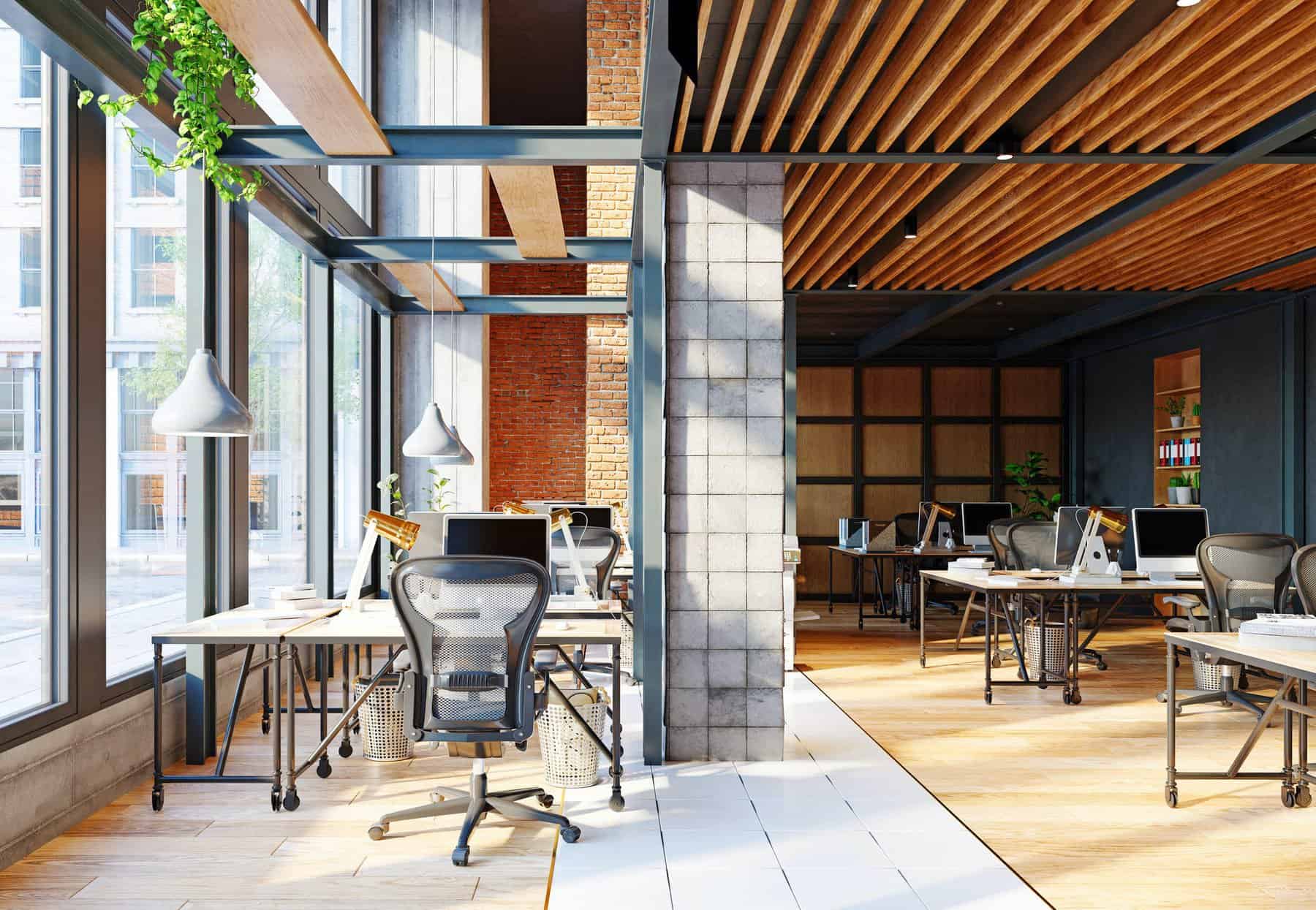
The most expensive line on a business paint job is never the paint. It is the day you lock the door. Almost every owner who calls me about office painting services opens with the same question, and it has nothing to do with color. They want to know how many days they will lose. My answer is usually none, because a commercial interior painting project can be built around your hours instead of on top of them. That is the whole point of how we run interior commercial painting work here in Conway, SC.
I have painted restaurants during breakfast prep, medical suites between patient blocks, and a retail floor that never once turned off its open sign. None of it happened by accident. It happened because we mapped the building before anyone opened a can.

The Problem Nobody Puts on the Estimate
Here is what I see in Horry County. An owner knows the walls look tired. Scuffed corners near the register. Grey handprints around door frames. A break room that has not been touched since the lease was signed. They want it fixed, and they keep putting it off anyway.
The stall is not about money. It is about risk. Closing a restaurant for three days in July costs more than the entire job. Sending an office home for a week means missed calls and slipped deadlines. So the walls stay ugly, and the owner quietly carries a building that no longer matches the work happening inside it. That gap wears on people more than they admit.
There is a fairness question underneath it too. You built the business. You should not have to choose between looking professional and staying open. A repaint is maintenance, not a shutdown event, and it should be priced and scheduled that way.
Why Commercial Interior Painting Fails in Occupied Buildings
Two things force an unplanned closure, and both are avoidable.
The first is air. The EPA reports that concentrations of many volatile organic compounds run consistently higher indoors than outdoors, in some cases up to ten times higher, and painting is one of the activities that spikes them. Read the agency’s own summary on volatile organic compounds and indoor air quality. If nobody plans for ventilation and product selection, staff start complaining by hour two.
The second is access. OSHA is direct about this in 29 CFR 1910.37: exit routes must stay free and unobstructed, and no materials or equipment may sit in them, permanently or temporarily. Drop cloths, ladders, and a staged pallet of five gallon buckets in a corridor are exactly what the rule covers. You can read the standard on exit route maintenance and safeguards. A crew that parks equipment in your only hallway has already closed part of your building for you.
Fix air and access, and most businesses stay open through the entire job.
Our Five-Step Plan for Painting an Open Business
This is the sequence I walk through on every commercial job, and I do it before quoting a number.
| Step | What Happens | Why it Protects Your Revenue |
|---|---|---|
| Walk the floor with you | We map rooms, traffic paths, and exits | Nothing gets scheduled blind |
| Split the space into zones | Each zone gets its own start and finish | Only one small area is ever offline |
| Pick the work window | Nights, weekends, or slow weekday hours | Painting happens when customers are not there |
| Match product to occupancy | Low odor and fast recoat products where people sit | Rooms return to use the same day |
| Set a daily reset rule | Tools out, floors clear, exits open before we leave | You open the next morning like normal |
Step five is the one most contractors skip. A daily reset costs my crew about thirty minutes. It saves you a morning of moving other people’s ladders.

Choosing Your Work Window
There is no single right answer here. Only the answer that fits your traffic pattern.
| Approach | Best for | Trade off |
|---|---|---|
| After hours, 6 pm to 6 am | Retail, restaurants, banks | Higher labor rate |
| Weekend blocks | Professional offices, clinics | Job spans more calendar weeks |
| Zone by zone, business hours | Warehouses, large offices, schools | Requires staff to shift desks |
| Short planned closure | Small spaces under 2,000 square feet | One or two days offline |
We quote these side by side so owners can see the real trade. After-hours work usually costs more per hour and less per year, because you are not eating lost sales to save on labor.
Crew availability is part of this math. The Bureau of Labor Statistics counted about 342,200 construction and maintenance painters nationally in 2024, with roughly 4 percent growth projected through 2034. Qualified commercial crews are a finite resource in a coastal market, and the businesses that book six weeks out get the night and weekend slots. The ones that call in a panic take whatever is left. This is also why our commercial interior painting services run on a booked calendar rather than a first-come scramble.
Questions to Ask Before You Sign Anything
Bring these to every estimate, including mine. The answers tell you more than the price does.
If a contractor cannot answer the first question without checking with somebody, they have not planned your job. They have priced square footage.
What a Well Planned Job Looks Like From the Inside
Your staff arrives Monday and the reception area is finished. Tuesday the hallway is done and the exits were never blocked. By Friday the whole floor is new, and not one customer noticed anything except that the place looks sharper. No lost days. No angry emails. No smell.
That outcome comes from sequencing, not speed. It is also why office painting services should be judged on the schedule first and the brush second.
We work across Conway, Myrtle Beach, North Myrtle Beach, and Surfside, and the phasing plan changes with each building. A Surfside restaurant and a Conway medical office do not get the same calendar. They should not.