A shiny wall looks like the easy kind to repaint. It is usually the opposite: learning how to prep glossy walls for painting is what separates a coat that holds up from one that flakes off within weeks. Homeowners in Longs, SC, hit this wall all the time: they choose a color, roll it on over old gloss or semi-gloss, and watch the edges curl a month later. Painting over glossy walls causes more headaches in interior house painting than almost any other surface, and the cause lies beneath the paint, not in the can.

What Makes a Shiny Wall Reject New Paint
Gloss paint is designed to be tough and wipeable. Kitchens, bathrooms, trim, and doors get it for a reason. The same hardness that repels fingerprints and splashes also repels your next coat.
Paint sticks two ways. It locks into tiny ridges on the surface and bonds to whatever lies beneath it. A glossy wall is sealed nearly flat, so there are few ridges to hold and little for the new layer to bond with. The paint pools on top, dries weakly, and gives up at the first bump or scrub. That is when you see flaking corners, drips, and roller streaks.
That is the whole story behind painting over glossy walls: change the surface, and you change the result.
The Quiet Tax of a Rushed Repaint
Skipping prep feels like a time-saver. The color is chosen, the roller is ready, and sanding sounds like busywork.
The bill arrives later. A coat can look perfect for a few days, then peel where the wall gets touched. Streaks surface as the paint dries thin and uneven. One coat turns into two, then a third, with another store run and more cash gone.
There is a softer cost, too. A wall that fails makes the whole room feel unfinished, and it can sap your nerve for the next project. Few homeowners want a flawless wall for its own sake. The real wish is simpler: glance at it months from now and feel nothing at all.
How to Prep Glossy Walls for Painting in a Coastal Home
The routine is short. It rewards care more than speed. Here is the sequence professionals follow.

Work through those five steps and painting over glossy walls turns from a coin flip into a sure thing.
Coastal Air, Older Houses, and Why Longs Adds a Wrinkle
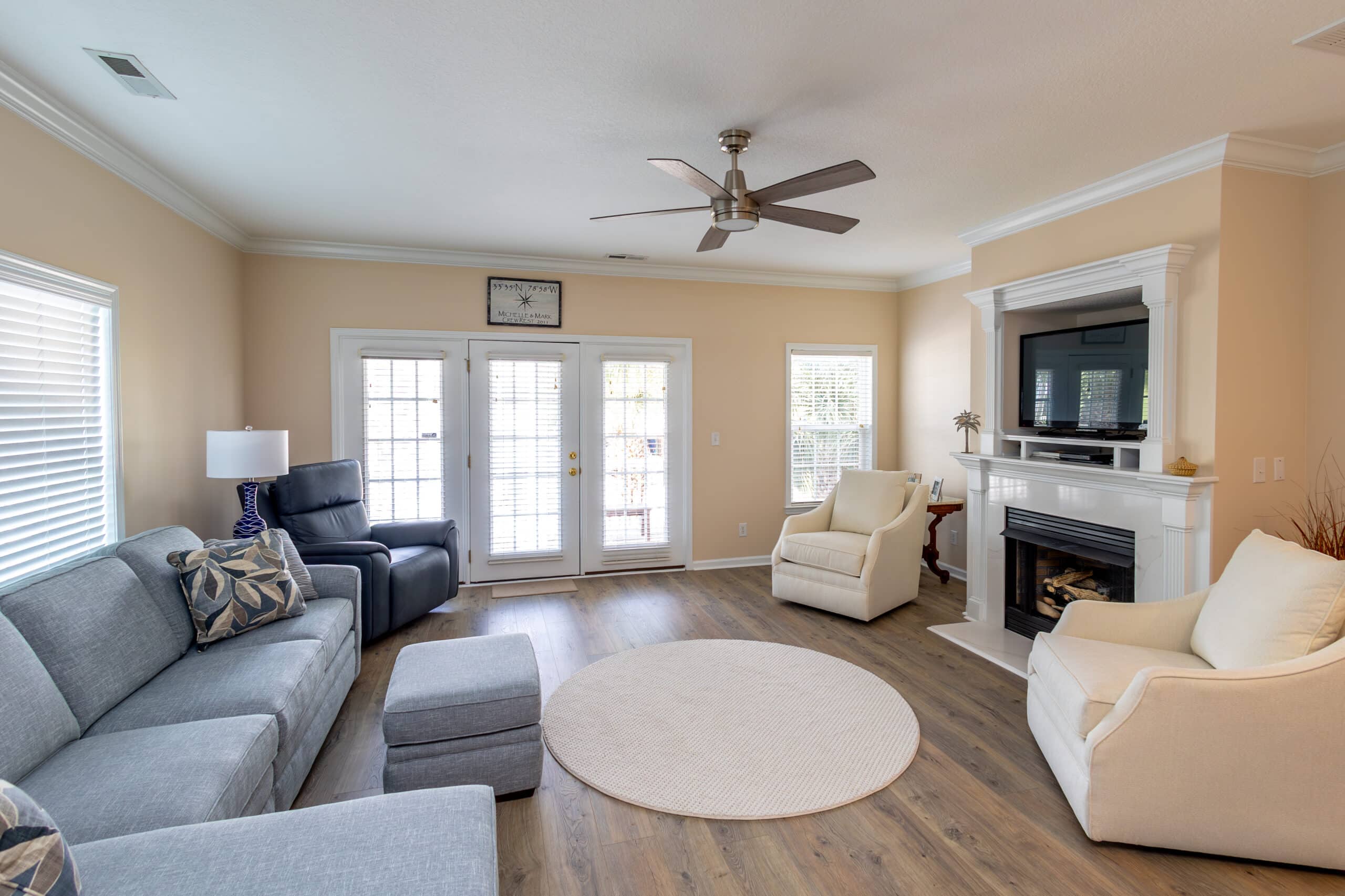
The Grand Strand climate plays a part. Salt air and steady humidity slow paint as it cures, and a coat that dries too slowly on a slick wall is even quicker to lift. Picking a dry stretch and running the AC or a fan helps the primer and paint set the way they should. This is one reason interior painting in Longs, SC, asks for a bit more planning than a dry inland job.
Older houses bring a second factor. Houses built before 1978 may contain lead-based paint beneath newer layers, and sanding can kick it into the air as dust. The EPA points out that work on pre-1978 homes can release hazardous lead particles and that paid crews working on those homes must be lead-safe certified. If your house is on the older side, that is worth checking before a sander touches the wall.
Where Interior Painters Earn Their Keep
Lots of homeowners can prep and roll a wall themselves. The real question is whether the dust, the dry-time math, and the risk of a do-over are worth your weekend.
Carroll Custom Coatings takes the work of painting over glossy walls off your plate across the Longs area. A few facts you can check before hiring anyone:
That is a checklist, not a sales pitch. You can confirm every line before a brush moves. Skilled interior painters do not ask for blind trust; they give you reasons to trust them.
What Clean Interior House Painting Looks Like When It’s Right
Done well, interior house painting fades into the background in the best way. The color reads the same across every wall. No edges peel, no spots stay slick, and no streaks catch the afternoon light. It wipes clean and shrugs off daily wear.
That outcome traces straight back to prep. A washed, scuffed, primed wall is what lets the final coat sit tight and stay put. Painting over glossy walls the careful way looks sharp on day one and still looks sharp seasons later.